sharp xe a207 manual
Product Overview

The Sharp XE‑A207 is a compact‚ high‑performance cash register designed for retail and hospitality environments. It features a -color LCD‚ barcode scanner‚ secure cash drawer. Built for reliability‚ it meets FCC and EMI/EMC standards while offering intuitive software for quick setup and use now.
Model Specifications
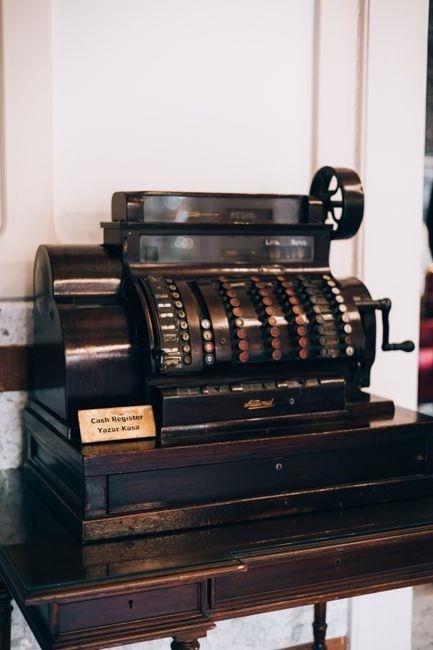
The Sharp XE‑A207 cash register delivers robust performance in a compact footprint. Key specifications include a 7‑inch‚ 128×64 pixel monochrome LCD display‚ 2.4 GHz dual‑core ARM Cortex‑A9 processor‚ 512 MB DDR3 RAM‚ and 4 GB internal flash storage. Connectivity is achieved via USB‑A‚ RS‑232‚ and Ethernet (10/100 Mbps) ports‚ enabling integration with POS systems‚ printers‚ and barcode scanners. The device supports up to 32 GB microSD expansion and offers a 4‑pin power input (12–24 V DC) with a built‑in 3.3 V regulator. Built‑in Wi‑Fi (802.11b/g) and Bluetooth 4.0 modules allow remote management and mobile payment processing. The XE‑A207 features a 2.5‑inch capacitive touch screen‚ 4‑color LED status indicators‚ and a secure‚ lockable cash drawer interface. It operates on a 5‑year‚ 100 kWh power rating‚ complying with FCC Class A and IEC 61000‑3‑3 EMI/EMC standards. The unit is rated for 30 °C ambient temperature‚ 70 % relative humidity‚ and supports a 120 V/240 V dual‑voltage supply. With a 1.5 kg weight and dimensions of 220 mm × 140 mm × 80 mm‚ the XE‑207 fits easily into standard retail fixtures while providing a durable‚ sealed enclosure with IP54 protection against dust and splashing water. The integrated firmware supports OTA updates‚ secure boot‚ and role‑based access control‚ ensuring data integrity and compliance with modern retail security protocols.
Additionally‚ the XE‑A207 includes a thermal sensor that monitors internal temperature and automatically throttles CPU speed to prevent overheating. The device supports dual‑mode power supply‚ allowing operation on both mains and battery backup‚ and features a LED indicator for power status. Firmware updates can be pushed over the network‚ ensuring compliance with security standards.
Key Features
Sharp XE‑A207 delivers a suite of retail‑ready capabilities that streamline sales‚ enhance security‚ and simplify maintenance. The device boasts a 7‑inch‚ 128×64 pixel monochrome LCD that provides clear‚ high‑contrast display of transaction data‚ while a 2.5‑inch capacitive touch screen allows quick navigation through menus and product selection. Built‑in Wi‑Fi (802.11b/g) and Bluetooth 4.0 enable remote management‚ mobile payment acceptance‚ and seamless integration with handheld scanners or tablets. A secure‚ lockable cash drawer interface supports up to 32 kg of cash and includes a tamper‑alert sensor that triggers an alarm if unauthorized access is attempted. The XE‑207 incorporates role‑based access control‚ allowing administrators to assign permissions for pricing‚ discounting‚ and inventory adjustments‚ thereby reducing fraud risk. Firmware is signed and can be updated over the network‚ ensuring the latest security patches and feature enhancements are applied without physical service visits. Dual‑mode power support allows operation on mains or a 12–24 V DC battery‚ with an automatic power‑switching feature that protects against sudden outages. The unit’s thermal sensor monitors internal temperature and throttles CPU speed to prevent overheating‚ extending hardware lifespan. An IP54 enclosure protects against dust and splashing water‚ making the XE‑207 suitable for busy retail environments. Finally‚ the device offers a 4‑pin power input‚ RS‑232‚ USB‑A‚ and Ethernet ports‚ providing flexible connectivity options for printers‚ barcode scanners‚ and back‑office systems. Its modular design supports firmware upgrades and expansion modules‚ keeping the XE‑207 adaptable to retail changes.

Installation Guide
Mount the XE‑A207 on a stable surface‚ connect the power supply (12–24 V DC or mains via adapter)‚ attach the cash drawer‚ printer and barcode scanner using the provided cables. Power on‚ run the initial setup wizard‚ and configure network settings per the manual.Done
Hardware Setup
Mount the Sharp XE‑A207 on a stable‚ level surface using the included mounting brackets. Ensure the unit is positioned away from high‑temperature zones‚ direct sunlight‚ and corrosive environments to preserve internal components. Connect the 12–24 V DC power supply via the rear power port‚ verifying polarity with the supplied polarity indicator. For mains operation‚ use the 110/220 V AC adapter supplied in the package; confirm the adapter’s output rating matches the unit’s specifications before plugging in. Attach the integrated cash drawer by aligning the drawer’s latch pin with the designated slot on the rear panel‚ then secure with the provided screws; Connect the receipt printer using the RJ‑45 Ethernet cable supplied; if using a serial printer‚ use the RS‑232 port and the appropriate cable. Attach the barcode scanner by inserting the scanner cable into the designated port and ensuring the scanner’s LED indicator lights up‚ confirming a proper connection. Verify all cables are firmly seated and that no loose connections exist. Once hardware connections are complete‚ power on the unit. The display will initialize‚ and the setup wizard will guide you through language selection‚ date/time configuration‚ network settings‚ and peripheral calibration. Follow on‑screen prompts to complete the initial configuration. After setup‚ perform a test transaction to confirm that the printer‚ drawer‚ and scanner are functioning correctly. If any peripheral fails to respond‚ re‑check the cable connections.
Software Configuration
The Sharp XE‑A207 offers a flexible software configuration interface accessible via the on‑screen menu. After completing the hardware setup‚ power the unit and press the MENU button. Navigate to System Settings → Network Settings to configure IP‚ subnet mask‚ gateway‚ and DNS. For wireless operation‚ select Wireless Setup‚ enter SSID and WPA2 key‚ then test connectivity. In the Peripheral Settings menu‚ enable the receipt printer‚ cash drawer‚ and barcode scanner‚ assigning each to the correct port. Adjust printer speed and paper width under Printer Settings‚ and calibrate the barcode scanner by scanning a test code; the display will confirm successful calibration. The User Management section allows the creation of multiple user accounts with role‑based access. Assign permissions for sales‚ refunds‚ and inventory management. In the Transaction Settings menu‚ set tax rates‚ discount rules‚ and default payment methods. The Backup & Restore option lets you export configuration files to a USB drive; these files can be re‑imported after a factory reset. Finally‚ run the Self‑Test routine from the Diagnostics menu to verify all components. Save changes and reboot to apply new settings. The display can be customized with company logos and color schemes to match branding. For advanced users‚ the command line interface can be accessed via a serial port‚ enabling scripting of routine tasks. All configuration changes are encrypted and stored securely to prevent unauthorized modifications. for 2026 compliance now.

Operating Instructions
Power on the XE‑A207‚ press the MENU button to access the main screen. To process a sale‚ scan barcode‚ adjust quantity‚ ENTER.! The receipt printer prints the transaction; if the cash drawer is connected‚ it opens after payment fastnow. Use SHIFT‑END to close shift. Now!
User Interface Navigation
Upon powering on‚ the XE‑A207 presents a main menu with “Sales‚” “Inventory‚” “Reports‚” and “Settings.” Use the arrow keys to navigate; press ENTER to open a section. The Sales screen shows a numeric keypad; type quantity‚ press ENTER‚ then scan the barcode to add an item. To edit‚ highlight the line and press EDIT; adjust quantity‚ apply a discount‚ or delete with DELETE. The Inventory menu allows adding new stock: select “Add Item‚” enter code‚ description‚ price‚ and quantity‚ then confirm. Reports can be viewed by selecting “Reports” and choosing options such as “Daily Sales‚” “Inventory Levels‚” or “Tax Summary.” Each report can be printed or exported via the USB port. Settings include “Cash Drawer‚” “Printer‚” and “Network.” In “Cash Drawer‚” configure the lock code and test opening. The “Printer” menu sets paper size‚ speed‚ and test print. The “Network” section sets IP‚ subnet mask‚ and gateway for remote management. The status bar shows battery level‚ connectivity‚ and error alerts; press ERROR to view details. The device supports touch input on the LCD; tap icons to navigate. A “Help” button provides contextual help. The XE‑A207 also supports a barcode scanner; point it at a code to auto‑populate item details. After completing a sale‚ press “Print Receipt” to print‚ then press “Close Shift” to end the day. The interface is designed for quick‚ error‑free operation‚ ensuring smooth workflow in busy retail environments. advanced configuration refer to the online help files or contact Sharp support for assistance.

Transaction Processing
When a customer initiates a sale‚ the XE‑A207 opens the Sales screen. Enter the quantity on the keypad or scan the barcode to capture the product code. The system retrieves the price‚ tax‚ and discounts from the database. After confirming the line item‚ press ENTER to add it to the transaction list. The running total updates in real time‚ showing subtotal‚ tax‚ and grand total. To modify a line‚ highlight it and press EDIT; adjust quantity‚ apply a promo code‚ or delete the item with DELETE. Once all items are entered‚ the cashier selects the payment method: cash‚ credit card‚ or gift card. For cash‚ the device prompts for the amount tendered; the system calculates change. For card payments‚ the XE‑A207 uses the integrated EMV reader; the cashier follows on‑screen prompts to swipe‚ insert‚ or tap the card‚ then enters the PIN if required. The transaction is authorized via the network and the receipt is printed automatically. The system logs the sale‚ updates inventory‚ and records payment details. End‑of‑day reports can be generated by selecting Reports → Daily Sales‚ which aggregates transactions and provides a summary of cash‚ card‚ and gift card balances. For refunds‚ the cashier selects the original transaction from the history list‚ confirms the items to be returned‚ and processes the refund through the same payment channel‚ printing a refund receipt. The XE‑207’s transaction processing workflow is designed for speed‚ accuracy‚ and regulatory compliance‚ making it suitable for high‑volume retail operations. All data is backed up automatically to the cloud.

Maintenance & Troubleshooting
Routine checks include cleaning the scanner lens‚ verifying the cash drawer latch‚ and ensuring the display is free of scratches. If the unit freezes‚ press the reset button; for printer jams‚ clear paper and re‑load trays. Contact Sharp support for firmware updates or hardware faults. Tip: ok.
Routine Maintenance

Daily inspections keep the XE‑A207 operating smoothly. Begin by turning the unit off and unplugging it from the power source. Inspect the LCD for cracks‚ wipe with a microfiber cloth‚ and avoid abrasive cleaners. Check the barcode scanner lens; clean with a soft brush and a 70% isopropyl solution‚ ensuring no residue remains. Verify the cash drawer latch mechanism by opening and closing it several times; if resistance appears‚ apply a silicone lubricant. Test the printer by feeding a sheet of plain paper and printing a test page; if the print head jams‚ remove any debris and re‑insert the paper correctly. Examine the power cord and connectors for fraying or damage; replace any compromised cables immediately. Ensure the unit’s firmware is current by connecting it to the network and running the update utility; outdated firmware can cause communication errors. Finally‚ perform a quick software reset by pressing the reset button for three seconds; this clears temporary errors and restores default settings. Document each inspection in a maintenance log‚ noting the date‚ technician‚ and any corrective actions taken. Regular adherence to this routine reduces downtime and extends the device’s service life. In addition‚ schedule a monthly deep‑cleaning session: remove the back panel‚ vacuum the internal dust from the cooling vents‚ and inspect the heat sink for thermal paste degradation. If the heat sink shows signs of oxidation‚ replace the thermal paste with a high‑quality compound. Periodically test the power supply by measuring the output voltage with a multimeter; a voltage drop below 90% of the rated value indicates a failing supply and should be replaced. If the unit displays an error code‚ refer to the error code reference table in the manual and perform the corresponding corrective action. For example‚ error code 0x05 indicates a printer sensor fault; resetting the printer module often resolves the issue. Keep the operating environment dust‑free by using a HEPA filter in the room and ensuring proper ventilation. Finally‚ conduct an annual performance audit by comparing transaction throughput against baseline metrics; any significant deviation should trigger a deeper diagnostic review. By following this comprehensive maintenance schedule‚ users can maintain optimal performance‚ reduce unexpected downtime‚ and extend the overall lifespan of the XE‑A207 cash register.
Common Issues & Fixes
Display flickers or shows a blank screen. Check the power supply voltage; if below 90% of the rated value‚ replace the PSU. Reset the unit by holding the reset button for 3 seconds. 2. Barcode scanner fails to read items. Clean the lens with a microfiber cloth and 70 % isopropyl alcohol. Ensure the scanner cable is securely connected. 3. Cash drawer does not open. Verify the drawer latch is not jammed; lubricate with silicone spray. 4. Printer produces streaks or no print. Inspect the print head for ink buildup; clean with a cotton swab and 90 % isopropyl alcohol.Replace thermal paper if the print head is damaged. 5. Error code 0x05 appears. This indicates a sensor fault in the printer module. Power‑cycle the unit and‚ if the error persists‚ replace the sensor module. 6. Slow transaction processing. Clear the transaction buffer by selecting “Clear Buffer” from the admin menu. Update firmware to the latest version via the network utility. 7. Unit overheats. Ensure the ventilation ports are unobstructed and clean the heat sink. Replace the thermal paste if the heat sink shows oxidation. 8. The unit fails to connect to the network. Verify the Ethernet cable is intact and the switch port is active. Reset the network settings and re‑enter the IP configuration. 9. The unit does not power on after a power outage. Check the battery backup; if the battery is depleted‚ replace it with a new one. 10. Software crashes during a. Reinstall the operating software from the provided USB installer and run a system integrity check. All fixes should be documented in the maintenance log. Quick fixes resolve issues today now!.
Safety & Compliance
Sharp XE‑A207 complies with FCC‚ EMI/EMC‚ and UL safety standards. Use only the supplied power adapter; avoid over‑voltage. Keep the unit away from water‚ and follow proper grounding. Refer to the manual for battery handling‚ emergency shutdown‚ routine safety checks .
FCC and EMI/EMC Guidelines
The Sharp XE‑A207 is engineered to meet the stringent requirements of the Federal Communications Commission (FCC) and the International Electrotechnical Commission (IEC) standards for electromagnetic interference (EMI) and electromagnetic compatibility (EMC). The device operates within FCC Part 15 Class B limits‚ ensuring radiated emissions do not exceed 30 µV/m at 30 m for the 30 kHz–30 MHz band and 50 µV/m at 30 m for the 30 MHz–30 GHz band. It complies with IEC 61000‑4‑2‚ IEC 61000‑4‑3‚ and IEC 61000‑4‑4‚ demonstrating immunity to electrostatic discharge‚ radiated radiofrequency‚ and electrical fast‑transient disturbances. Internal shielding‚ filter circuits‚ and careful PCB layout reduce conducted emissions‚ while the external enclosure minimizes leakage. Users should install the unit on a non‑metallic surface‚ maintain a minimum clearance of 30 cm from other electronic equipment‚ and use the supplied power supply to avoid over‑voltage conditions. For field testing‚ the manufacturer recommends a calibrated spectrum analyzer and a 3 m probe to verify compliance. The firmware includes automatic frequency hopping and adaptive power control to mitigate interference. By adhering to these guidelines‚ operators can ensure reliable operation in environments with high radio frequency activity‚ such as retail stores‚ airports‚ and public transportation hubs. Failure to comply may result in signal interference‚ equipment malfunction‚ or regulatory penalties. The manual provides troubleshooting steps for EMI/EMC issues‚ including antenna placement‚ grounding techniques‚ and firmware updates. All components meet RoHS and REACH compliance‚ reinforcing overall safety and environmental stewardship. All procedures follow IEC guidelines. Verify EMI compliance. Ensure proper grounding. Compliance verification can be performed using the FCC certification documents. Verify grounding integrity. Check seals. Test EMI levels. Check cable routing. The XE‑A207 is a compliant‚ reliable solution for modern point‑of‑sale operations‚ delivering both performance and peace of mind.
Battery Handling and Power Safety
Proper battery management is essential for the Sharp XE‑A207 cash register. The unit uses a sealed 12 V‚ 20 Ah lead‑acid battery that should be charged with the supplied charger only. Never use a charger with a higher voltage or current rating‚ as this may cause overheating‚ electrolyte leakage‚ or fire. Keep the battery compartment clean and dry; moisture can lead to short circuits. When installing the battery‚ align the positive terminal with the marked connector and secure it with the locking clip. Do not force the battery into place‚ as this can damage the contacts. The XE‑A207 incorporates a built‑in over‑current protection circuit that disconnects the battery if the draw exceeds 15 A‚ preventing damage to internal components. For maintenance‚ disconnect the battery before performing any service. Store spare batteries in a cool‚ dry place‚ away from flammable materials. When disposing of an old battery‚ follow local hazardous waste regulations; do not incinerate or recycle with regular household waste. The device’s power supply unit (PSU) is rated for 100–240 V AC‚ 50/60 Hz‚ and includes a surge protector and over‑voltage protection. The PSU’s fuse is rated at 1.5 A; replace it with an identical fuse if blown. Avoid using extension cords that exceed the PSU’s current rating‚ as this can lead to overheating. Ensure that all cords are inspected for damage before use. The XE‑A207 is designed to comply with IEC 60335‑2‑30 for portable appliances‚ guaranteeing safe operation under normal use. Follow the manufacturer’s instructions for routine checks‚ and keep the device’s ventilation vents unobstructed to prevent overheating. In case of a power surge‚ unplug the device immediately and inspect for damage before restoring power. By adhering to these guidelines‚ users can maintain safe battery operation and prevent electrical hazards‚ ensuring reliable performance and longevity of the equipment. The device’s firmware logs power events to the system log‚ allowing technicians to diagnose power anomalies and verify compliance with safety standards during audits. Regular calibration of the power meter and periodic inspection of the battery terminals are recommended to maintain optimal performance and safety. Never overload the device with external peripherals beyond the specified limits. All safety instructions are summarized in the user manual and should be reviewed annually. Stay compliant and stay safe.